This recipe is shown in Italian, the original language of the person who shared it, alongside an English translation.
La Storia
Nella mia famiglia le olive all'ascolana vengono sempre fatte nei momenti di festa e nelle occasioni in cui la famiglia si riunisce tutta assieme, e ho ricordi sin da quando ero piccolo di me che aiutavo mia nonna nella preparazione. Penso che sia anche grazie a questo che negli anni è nata in me la passione per la cucina.
The Story
In my family, olive all'ascolana are always made on holidays and on the occasions when the whole family comes together, and I have memories from when I was little of helping my grandmother prepare them. I think it is also thanks to this that, over the years, my passion for cooking was born.
La Ricetta / The Recipe
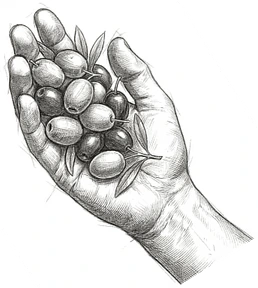
- 800 grammi di oliva verde grande(nocciolo piccolo e molta polpa)
- 500g di carne di bovino magro
- 250g di carne di suino magro
- 100g pollo o tacchino
- 85 g di Parmigiano Reggiano DOP stagionato 36 mesi grattugiato
- 40 g di carote
- 40 g di cipolla
- 20 g di sedano
- Olio extra vergine di oliva
- 1 bicchiere di vino bianco
- 6 uova fresche
- 100g farina di grano tenero
- 200g di pane grattugiato
- noce moscata q.b.
- sale q.b.
- pepe q.b.
- Scorza di limone
- 800 g large green olives (small pit, plenty of flesh)
- 500 g lean beef
- 250 g lean pork
- 100 g chicken or turkey
- 85 g Parmigiano Reggiano DOP, aged 36 months, grated
- 40 g carrots
- 40 g onion
- 20 g celery
- Extra virgin olive oil
- 1 glass of white wine
- 6 fresh eggs
- 100 g soft wheat flour
- 200 g breadcrumbs
- Nutmeg, to taste
- Salt, to taste
- Pepper, to taste
- Lemon zest
Per il ripieno
- Trita le verdure a cubetti e soffriggi in olio extra vergine fino a che la cipolla si imbiondisce.
- Aggiungi le carni di bovino e il suino e lascia brasare bene la carne fino a stracuocere con il sale e il pepe. Verso fine cottura, aggiungi il vino bianco per sfumare, un BUON vino possibilmente Passerina non un vino così così (è molto importante questo passaggio). Dopo la cottura, lascia raffreddare la carne in abbattitore a temperatura compresa tra 0-4°C (se ti è possibile).
- Questo processo può richiedere fino a 10/12 ore se non hai l'abbattitore.
- Poi trita la carne, aromatizzando con la noce moscata, la scorza di limone grattugiato. Impasta Il tutto, unendo uova e parmigiano.
Per la farcitura
- Preleva una piccola quantità di farcia e prepara delle sfere di carne. Apri l'oliva priva del nocciolo ed inserisci abbondante carne.
Per la panatura
- Prepara 3 ciotole, una per la farina, una per le uova battute e una per il pangrattato.
- Sbatti bene le uova in modo tale che diventino liquide, senza montarle attenzione.
- Infarina leggermente le olive ripiene. Immergile nell'uovo fino a ricoprirle uniformemente; Con un colino a maglie larghe recuperale, e dopo averle fatte sgocciolare per bene, falle passare nel pane grattugiato. La panatura deve essere sottile e non si deve staccare dall'oliva.
- Una volta panata bene, falla riposare in frigorifero almeno 8-10 ore in modo tale che gli ingredienti si stabilizzano assieme.
Per friggere
- Ora sono davvero pronte a essere fritte a 170° in olio extra vergine di oliva o in alternativa olio di girasole alto oleico.
For the filling
- Dice the vegetables into small cubes and sauté them in extra virgin olive oil until the onion turns golden.
- Add the beef and pork and let the meat braise well until very tender, with salt and pepper. Near the end of cooking, add the white wine to deglaze, a GOOD wine, ideally Passerina, not a so-so one (this step really matters). After cooking, let the meat cool in a blast chiller at a temperature between 0-4°C (if you can).
- This can take up to 10/12 hours if you don't have a blast chiller.
- Then grind the meat, seasoning it with nutmeg and grated lemon zest. Mix everything together, adding the eggs and Parmigiano.
For stuffing
- Take a small amount of filling and shape it into little balls of meat. Open the pitted olive and tuck in plenty of filling.
For breading
- Prepare 3 bowls, one for the flour, one for the beaten eggs, and one for the breadcrumbs.
- Beat the eggs well so they become liquid, without whipping them.
- Lightly flour the stuffed olives. Dip them in the egg until evenly coated; with a wide-mesh strainer lift them out and, after letting them drain well, roll them in the breadcrumbs. The breading should be thin and must not come off the olive.
- Once well breaded, let them rest in the fridge for at least 8-10 hours so the ingredients settle together.
For frying
- Now they are truly ready to be fried at 170° in extra virgin olive oil or, alternatively, high-oleic sunflower oil.